Tuesday, November 07, 2006

User Centre Design-Flash Prototype 2

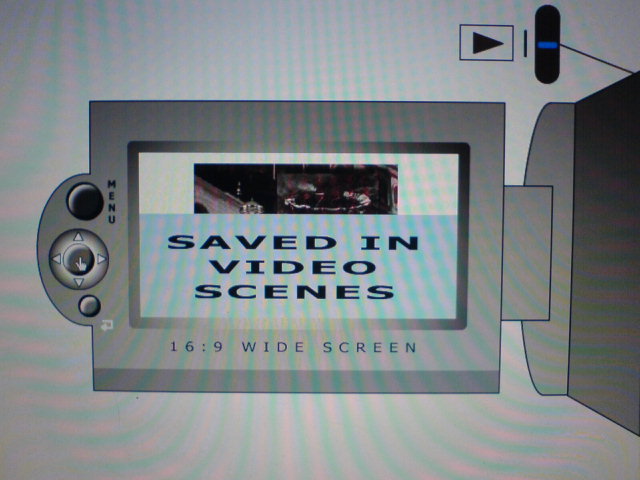
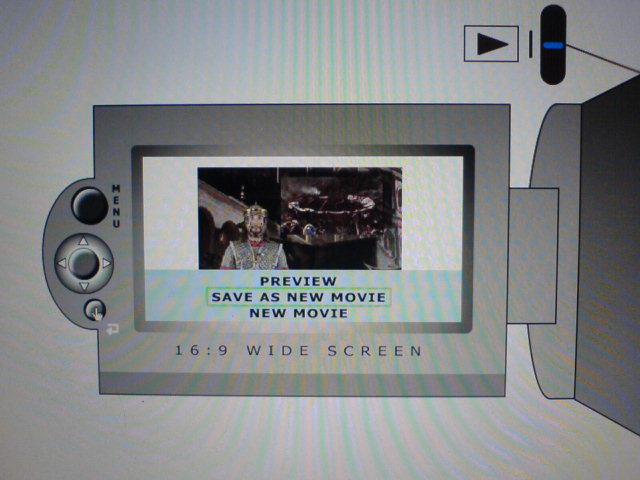
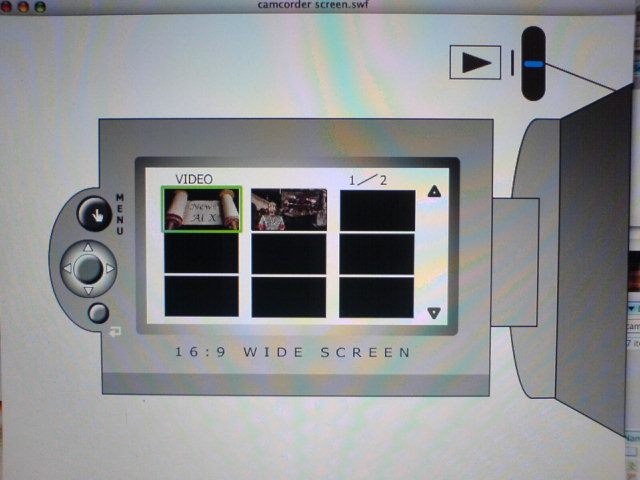
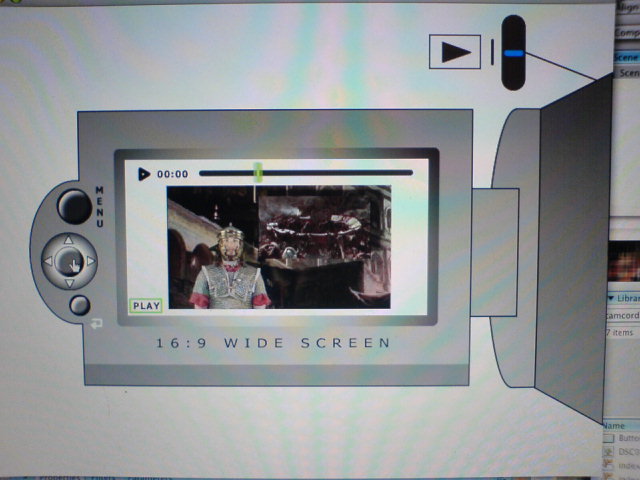
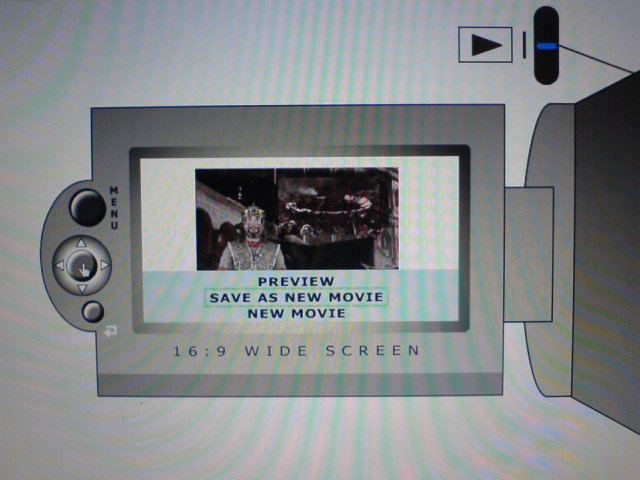
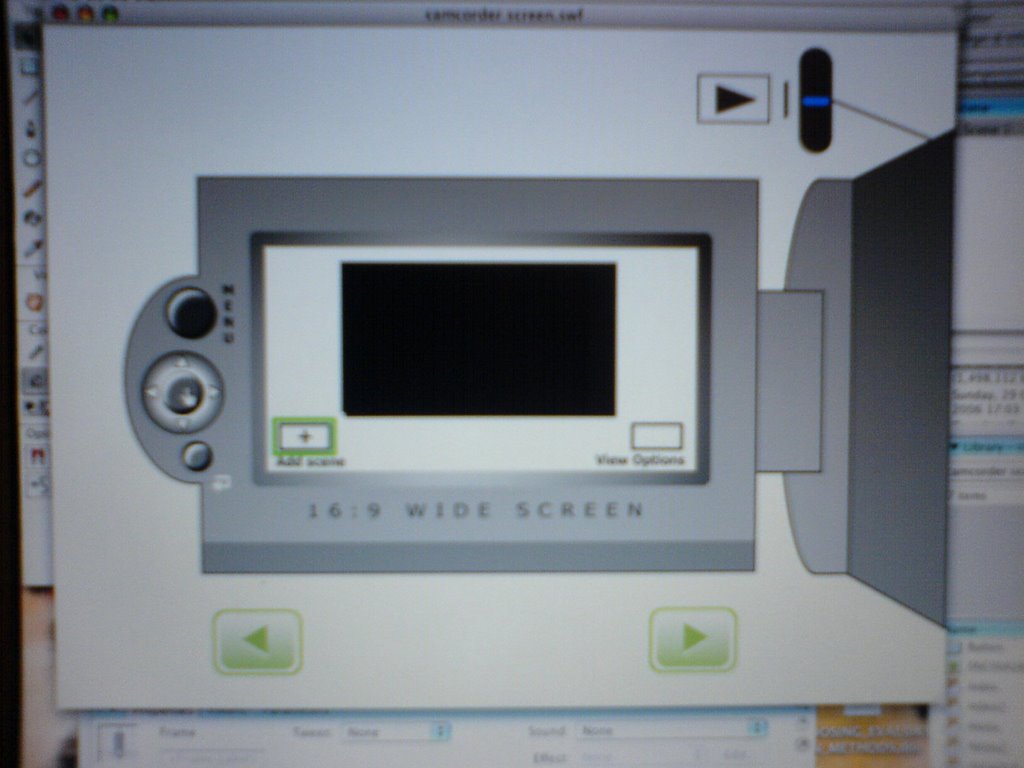
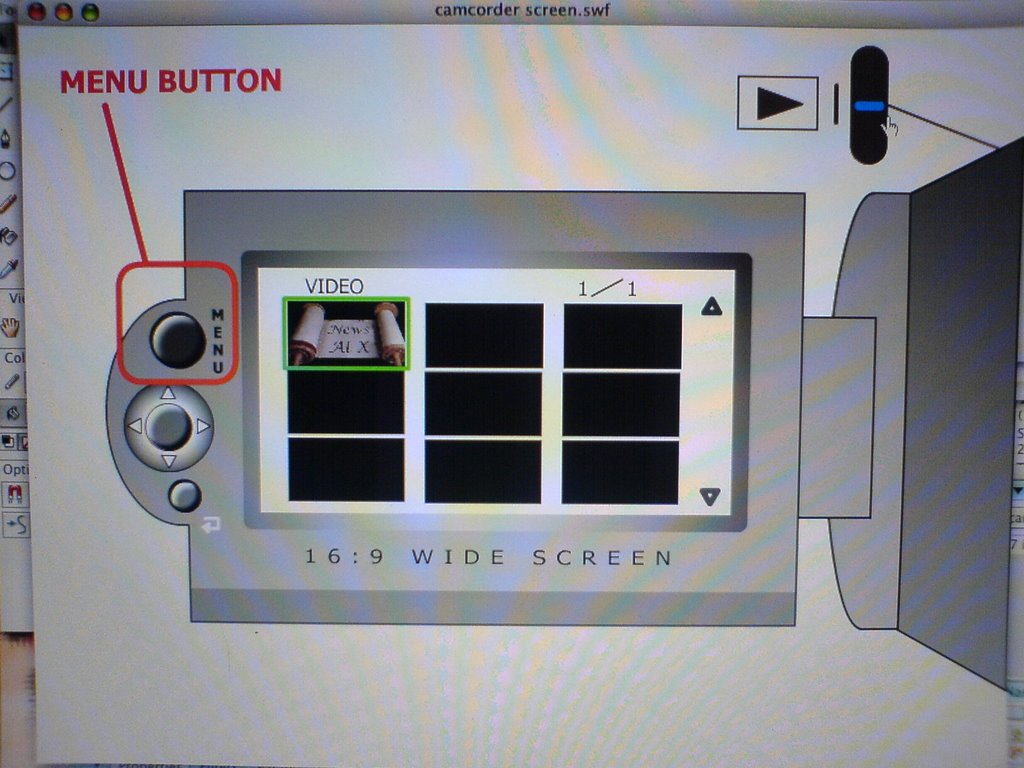
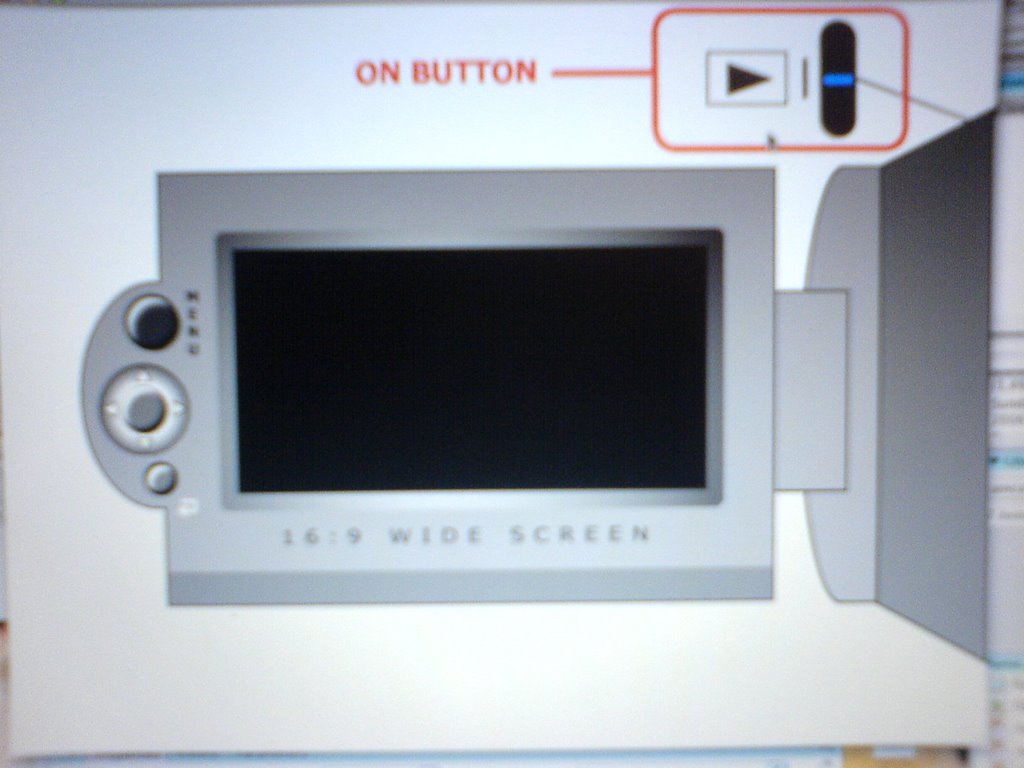
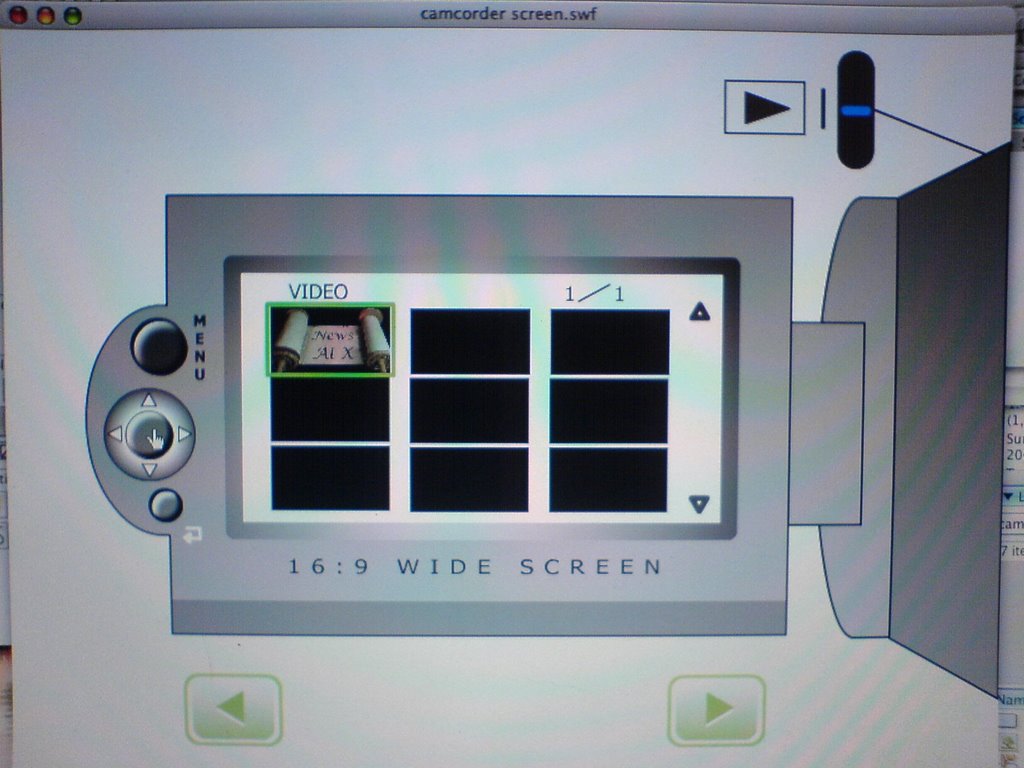
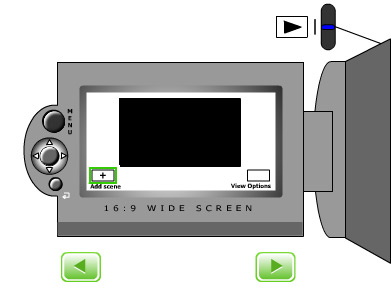
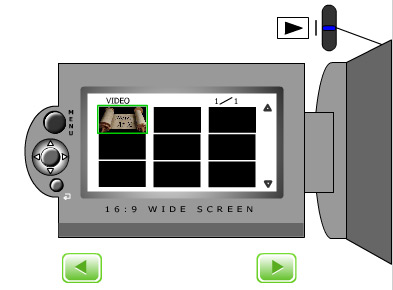
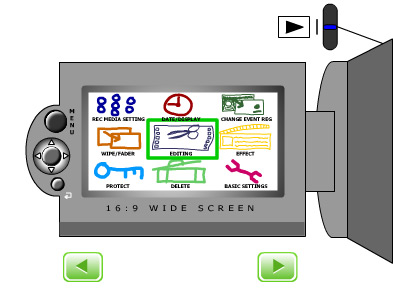
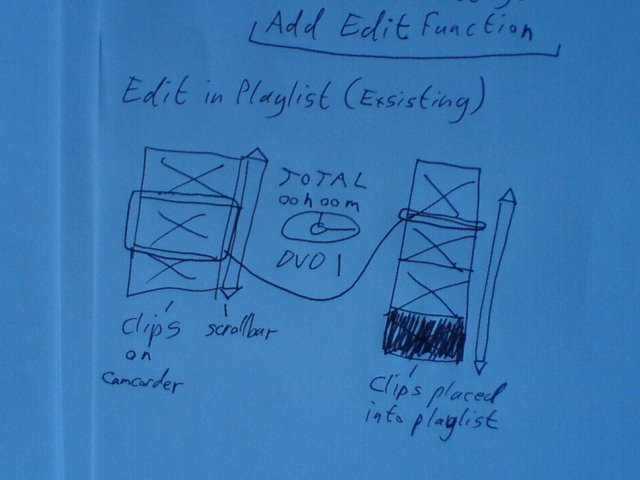
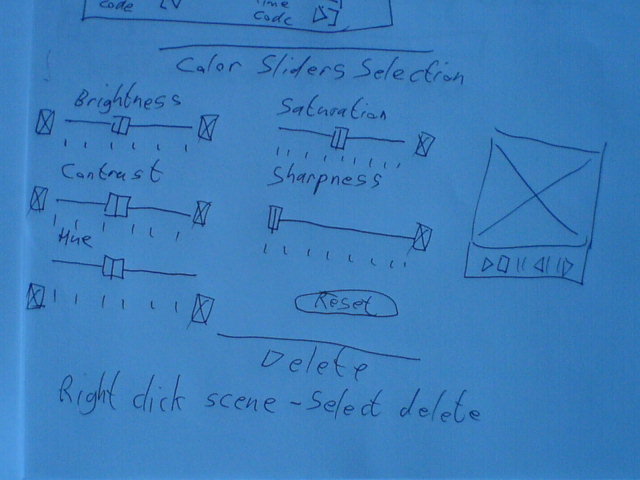
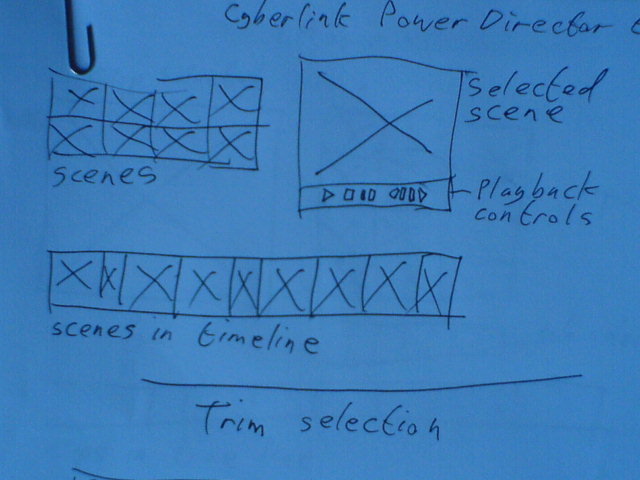
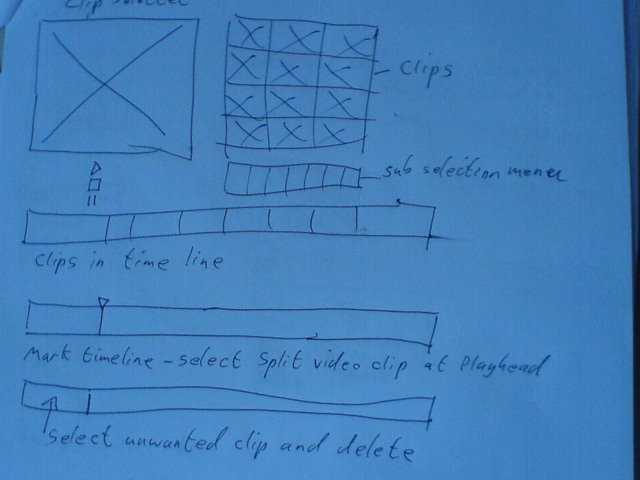
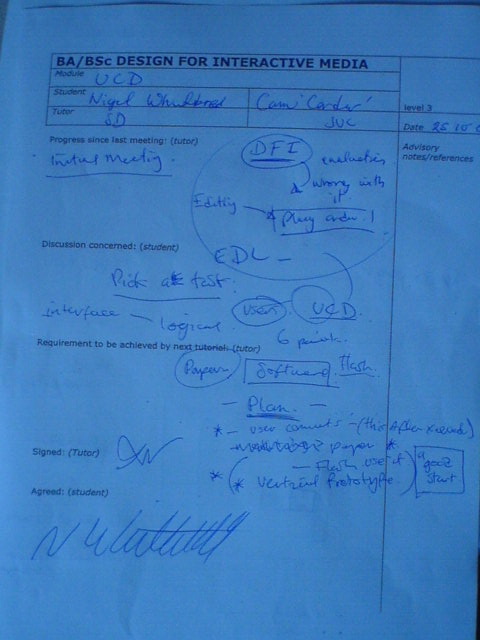
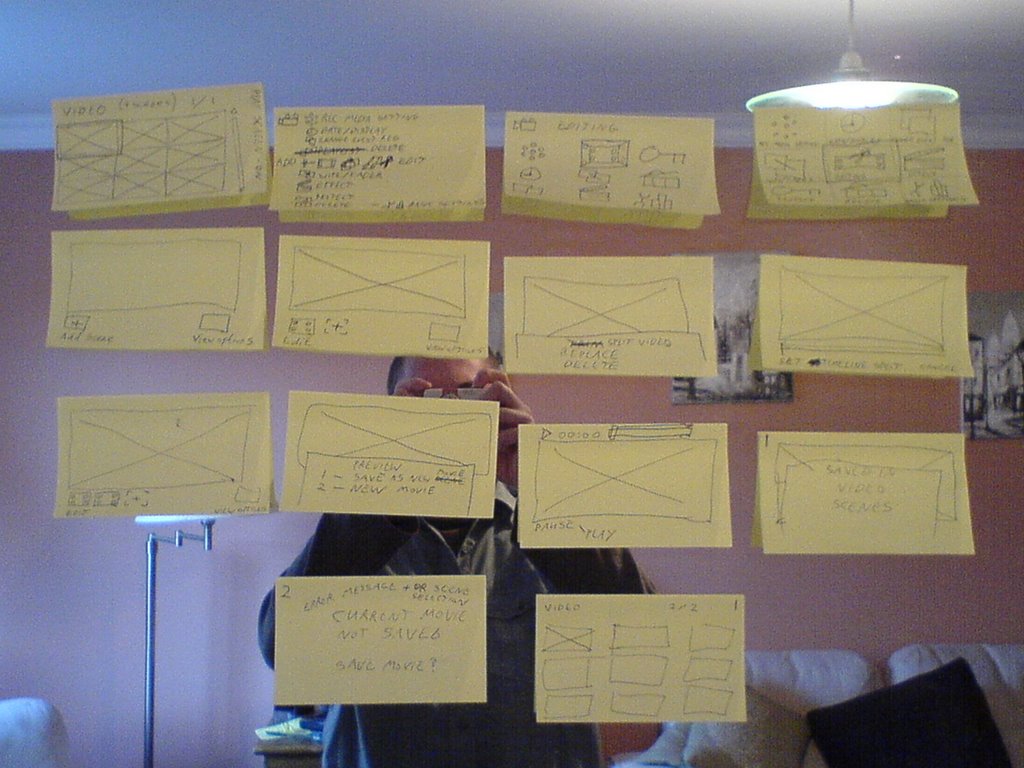
Screenshots of development of Flash prototype from Today


Back from Stag Do in Prague

Back from a long, long, long weekend in Prague where fun was had by all. will post photo's when I get them.

Thursday, November 02, 2006

Locative Aware Services-Locative Media

Locative media is a truly location specific medium. It can bring users out of the office or classroom and deliver the spatial qualities of information to where they have relevance (space specific). Not only does it refer to all the information in the physical location but to other contextual cues as well.

Many of the various locative media projects researched have concentrated on social interaction with a place and with technology and have a social critical or personal background.

The types of technology that enable locative media are; (GPS) Global Positioning Systems, laptop computers, Palm computers (PDA’s) Personal Digital Assistants, Mobile Phones, Bluetooth and Satellite Navigation Software.

Whilst these technologies are the catalysts for locative media, they are not the goal for the development of projects in this area of research. Rather

"Locative media is many things: A new site for old discussions about the relationship of consciousness to place and other people. A framework within which to actively engage with, critique, and shape a rapid set of technological developments. A context within which to explore new and old models of communication, community and exchange. A name for the ambiguous shape of a rapidly deploying surveillance and control infrastructure." (Russell, 2004)

Context-aware computing represents a relatively new area of research. Context awareness means gathering information from the environment to provide a measure of what is currently going on around the user and the device. Activities and content that are particularly relevant to that environment can then be made available. Mobile devices are especially well suited to context-aware applications simply because they are available in
different contexts, and so can draw on those contexts to enhance the learning activity. Context-aware mobile devices can support learners by allowing a learner to maintain their attention on the world and by offering appropriate assistance when required.

The museum and gallery sector has been on the forefront of context-aware mobile computing by providing additional information about exhibits and displays based on the visitor’s location within them.

User Centre Design-Flash Prototype


Notes from Tuesday
Needs and requirements-users-redesign.
Stages
Identify, data collection and analysis, capture.
VOLERE TEMPLATE
Requirements
Tunctional/Env/User/Usability/Data
Prototyping
Paper, storyboards,screenshots
Horizontal-Look of homepage
Vertical-Functions behind the homepage

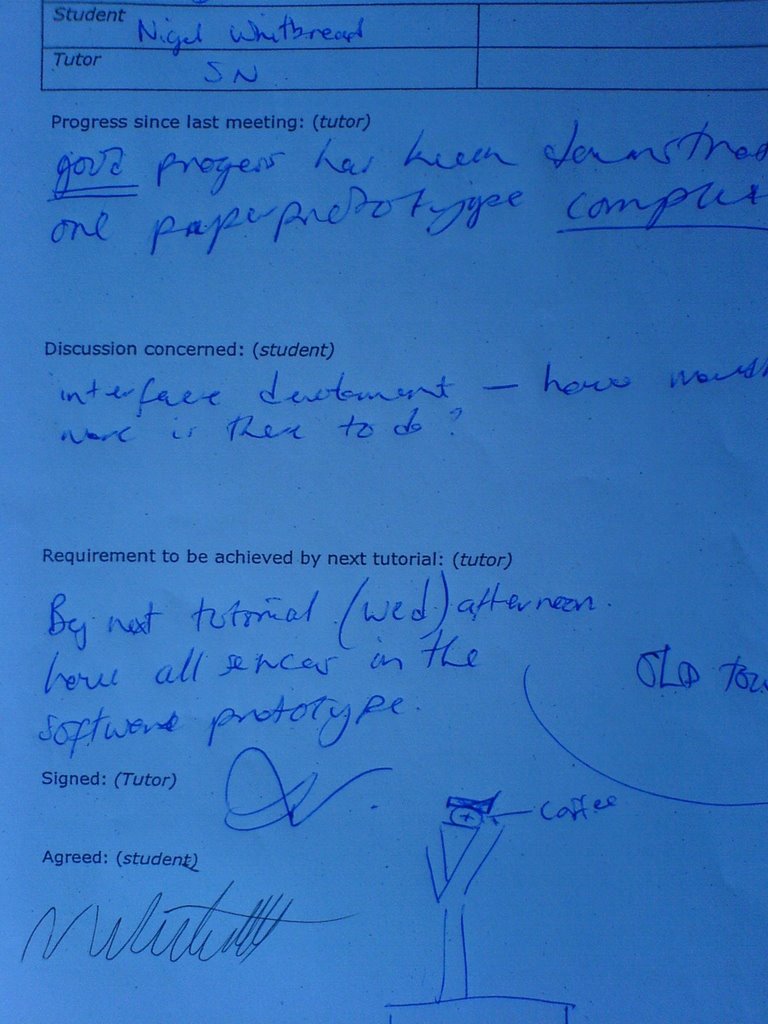
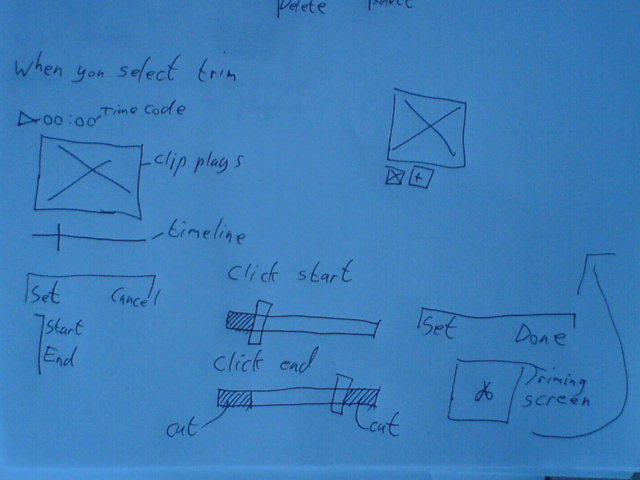
Screenshots of development of Flash prototype and progress sheet from Wednesday


Tuesday, October 31, 2006

The Big Welsh Challenge

Today Stephen Morgan from BBC Online and Education department came to the lab to test a new Broadband Broadcasting development.

We acted as guinea pigs helping the BBC test their latest development ( as part of The Big Welsh Challenge) This helped give us an inside look at how the BBC go about getting user feedback and testing their prototypes.

I guess it's aimed at teenagers upwards to be used as an alternative to the more cartoonish welsh learning site on the Beeb - Colin & Cumberland

http://www.bbc.co.uk/wales/colinandcumberland/south/

Partitipation session notes

Web 2.0, stumbleupon.com, delicious, useit, sitepoint.com, istumbler-bluetooth
http://dfim-ccs.blogspot.com/2006/10/seminar-four-participation.html
session 5 location aware services/locative media
software and systems that are aware of their locations. Google-earth-maps-multimap. Tom Tom how do they use maps.
Follow Taff Trial no these maps
phones know where they are so you can ask for services near it eg cinemas, banks
Commercial services
Locative media - art term
"The shape of locative media" MUTE by Simon Pope
GPS-Smartphones services
HP USA
Create-a-scape
How stuff works phone technology
Japanese phone GPS
Schengen zone at airports
degree confluence project.
http://dfim-ccs.blogspot.com/2006/10/session-five-location-aware-services.html

Sunday, October 29, 2006

UCD paper prototypes 2


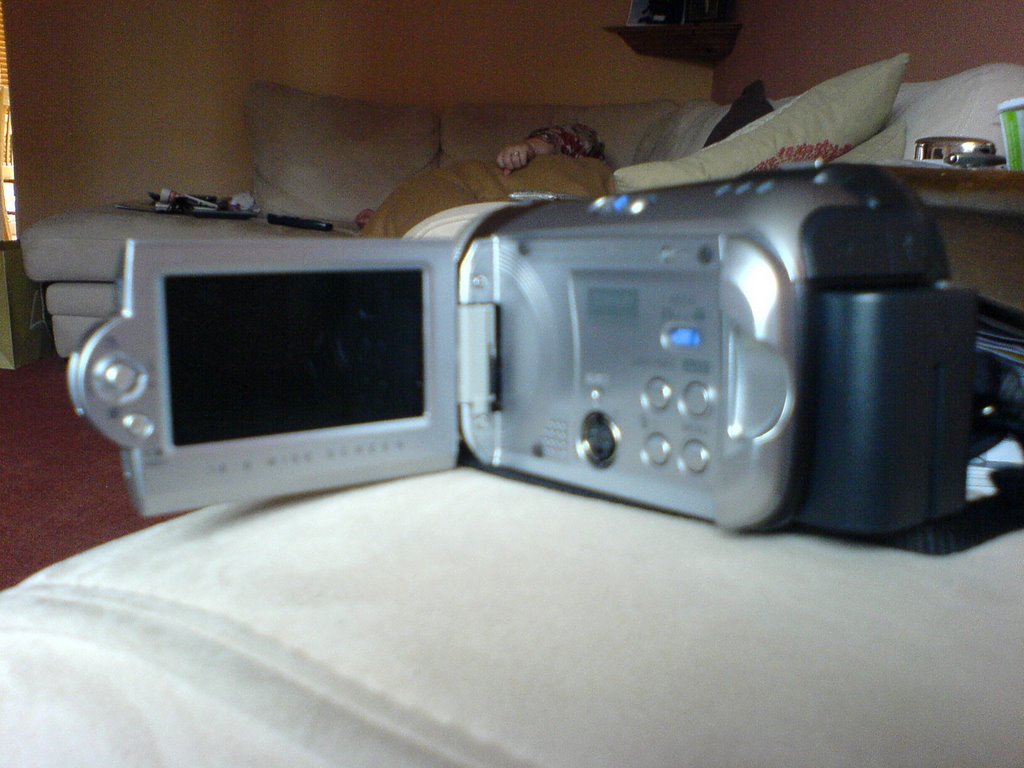
Photos of postit paper prototype ideas and screen and buttons of camcorder.

DfIM Assignment 1: Reading a Research Paper

Research Area of Interest - Locative Media

Paper for Evaluation

Examining Mobile Phone Use In The Wild With Quasi-Experimentation.


The motivation for this work is for commercial (funded by Nokia Corporation) research into how users interact with mobile devices and they environment around them on the go as opposed to in a laboratory environment. One problematic issue has been that current methods are not suited for attempting to establish causal relationships between context variables and interaction. In the paper they describe an experimental method, called quasiexperiment, and apparatus for recording mobile phone usage and the environment in a mobile context.


The proposed solution for recording people’s interactions with mobile devices (in this case web browsing on a mobile phone) is to use a series of miniature cameras set up to record;
• The user’s face and eyes
• The phone display and keys
• The environment as seen from the users point of view
• The user and environment as seen by a moderator
Two of the cameras are attached to the phone, another is attached to the shoulder of the user, and the fourth is carried by the modulator disguised as a mobile phone. Images from the four different cameras are combined into one and time coded together to produce a complete record of the users interaction.


In terms of the evaluation of the proposed solution to recording mobile phone use in the wild, they conclude that their portable apparatus allowed them to gather multi-variable data from the different mobile contexts, and that no other study has captured as much data with such a wide range of variables.
They felt that their method would be suitable for other field experiments where device interaction and/or user behaviour and the environment have to be examined.
They claim to have managed to root out relevent and scientifically reliable data about user behaviour in the mobile context. So in terms of purpose they felt the research was a success.


I was persuaded of the merits of the proposed solution in that I agree that putting all 4 camera views together and having the time codes sync up would lend to you gathering all the relevent data you could get from the users interacting with the device. But I do feel that when people on the street question the users about what they are doing, this acts as an unwanted distraction and outside influence that could affect the results.


The future directions for this type of research is primarily to have more easily operated portable, light equipment to be able to record events and environmental circumstances automatically, thus minimizing the need for manual coding and time logging of data collected, which would make it less laborious and time consuming.

Because of cost constraints no portable eye tracking equipment was used in the experiments. Use of this technology in future experiments could provide useful extra data concerning eye movement and attention of the user.

The writers of the paper “hope that future work will hopefully be able to provide better and lighter-weight methodology for system developers and other practitioners to evaluate and examine their applications in the wild”. As I’ve said earlier this method of date collection would lend itself very easily to other field experiments using mobile devices.


While reading and re-reading the paper there were a few things that I didn’t understand:

• I didn’t know that quasi meant “used to show that something is almost, but not completely, the thing described”
• They didn’t explain their reasons for not telling the participants the real purpose of the experiment until the end of their participation.
• I didn’t understand what [Low Experimental Power “experiments in the world are susceptible to low power” page 13] meant.
• I didn’t understand what [The Reliability of Measures “Measures of low reliability may not register true change” page 13] meant.

Bibliography

Virpi Roto, Antti Oulasvirta, Tuulia Haikarainen, Jaana Kuorelahti, Harri Lehmuskallio, Tuomo Nyyssonen. (2004). Examining Mobile Phone Use In The Wild With Quasi-Experimentation. [online].
Available from: http://www.hiit.fi/publications/pub_files/hiit2004-1.pdf
[Accessed 15 Oct 2006]

Gaetano Borriello, Matthew Chalmers, Anthony LaMarca, Paddy Nixon. (2005). Delivering Real-World Ubiquitous Location Systems. [online].
Available from: http://www.lazowska.cs.washington.edu/gb.pdf
[Accessed 17 Oct 2006]
Anne Galloway, Carleton Matthew Ward. (2005). Locative Media As Socialising And Spatialising Practices: Learning From Archeology [online].
Available from http://www.purselipsquarejaw.org/papers/galloway_ward_draft.pdf
[Accessed 17 Oct 2006]
Saturday, October 28, 2006

Yesterdays notes on collecting primary data

Collecting Primary Data Types
  • Quantitative
  • Qualitative
  • Observations
  • Interviews
  • Questionnaires
Observation - The role of the researcher!
Hawthorne affect - might play up for the camera
Which role do I adopt?
Field observation!
Data collection!
Group interviews!
When to use interviews!
  • Initial insight
  • Follow-up
  • Criticalness
Practical Considerations!
  • Time available
  • Access to responants
  • Expertise
  • Equipment
  • Setting
Questionnaires! Advantages and disadvantages
Question Design!
The DECIDE framework.

Thursday, October 26, 2006

UCD Paper prototypes

Started looking at simple editing software on PC's, camcorders and phones and sketched out different approach's for paper prototypes.

Wednesday, October 25, 2006

Todays Notes

Stuarts up to his old tricks again, having us sign our lives away on the new module - UCD
Discussed camcorder re-design - evaluation, whats wrong with it, editing - and proposed a plan of action, paper and Flash prototypes

Tuesday, October 24, 2006

User Centre Design-Notes

User Centre Design UCD - Re-Design. Intro to the module-read through of brief.
Intro-methology-development-conclusion-reference-bibliography
Ideas- left handed, ambidextrious camcorders.

Lecture Notes
Stages of design
  • Develop alternative designs
  • conceptual level
  • physical level
  • building
  • test & evaluate
  • final development
Look at others designs, ask users, put yourself in users shoes.

Lifecycle models
  • Traditional waterfall
  • Rapid application development RAD
  • A simple interaction design model (Preece et al 2002)
Christine Falken/Norman/Neilsson

USD in my work


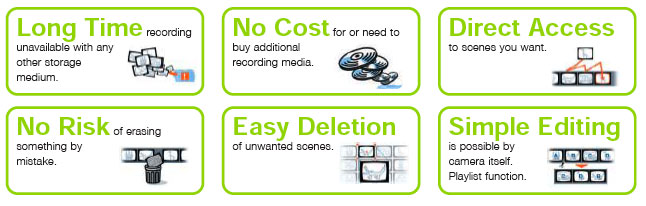
  • Long Timerecording
    unavailable with any
    other storage
    medium.
  • No Costfor or need to
    buy additional
    recording media.
  • Direct Access
    to scenes you want.
  • No Risk of erasing
    something by
    mistake.
  • Easy Deletion
    of unwanted scenes.
  • Simple Editing
    is possible by
    camera itself.
    Playlist function.
Using these 6 descriptions of the advantages of using the hard disk camcorder taken from JVC's broucheres. I want to ask users what thier expectations of the product are concerning each of these statements. I might use these answers to see where the expectations fall short and re-design appropriately.

Monday, October 23, 2006

Participation

People are starting to participate with work in our field in a variety of ways.

YouTube is one of those mediums that you participate with twofold, not only can anyone watch videos on it but anyone can post videos to it as well. It is a place on the web where you can engage in new ways with video by sharing, commenting on, and viewing. If nobody participated in these ways then YouTube would be as redundant as the shelves at a Betamax video store.

The National Trust
is encouraging people to record a diary of their day (the 17th of October 2006) on a website, as part of what is being called "Britain's biggest blog". They are trying to get people to participate and help create a “fascinating social history” archive of everyday life for future generations. People who want to contribute to the project have until the 31st of October 2006 to upload their accounts of the 17th of October 2006.
As you can see from the above examples these new forms of audience participation are nothing without your contributions. The artists of the work are in essence now conductors of a multi varied canvas.

In terms of the work I want to produce I could make use of the YouTube technology to have visitors upload video blogs of their experiences at the memorial sites they have been to.


http://www.art-themagazine.com/pages/tokyo2.htm
http://www.artinteractive.org/curatorial.php
http://www.chapter.org/7088.html
http://www.youtube.com/t/about
http://video.google.co.uk/video_about.html
http://www.historymatters.org.uk/output/page96.asp
http://www.myspace.com/Modules/Common/Pages/AboutUs.aspx
http://en.wikipedia.org/wiki/Wikipedia:About
http://www.e-consultancy.com/news-blog/361871/jakob-nielsen-s-tips-on-increasing-community-participation.html
http://technokitten.blogspot.com/2006/01/participation-tv-as-part-of-mobile.html

Participation brief

http://dfim-ccs.blogspot.com/2006/10/session-5-participation.html

Seminar 4; Sustainability

http://dfim-ccs.blogspot.com/2006/10/seminar-four-sustainability.html

Sunday, October 22, 2006

RADAR


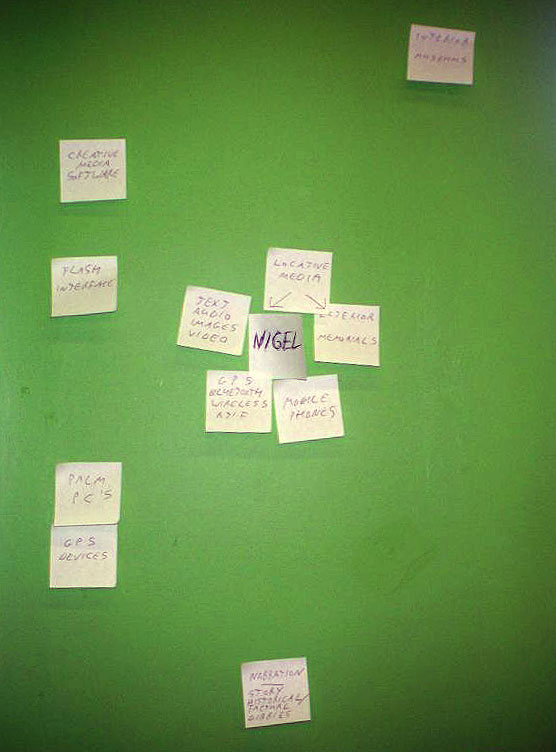
Here's the postits from Fridays lecture

Saturday, October 21, 2006

HND Graduation


Went to Pencoed College today for my HND Graduation Ceremony. I was surprised be the number of other courses also at the ceremony, there was HND's HNC's MBA's and PGCE's from University of Glamorgan, UWIN and UWIC.

Another surprising thing was that I was the only person from my course to actually turn up for the ceremony (obviously all turned off by the price of hiring robes) but their loss I guess. My parents we're very proud and will be even more proud for my big boys graduation next summer.

Monday, October 16, 2006

Sustainability

On November 29th 2006 The Green Awards For Creativity In Sustainability are being held at The London Guild Hall. The reason for these awards is to spotlight brands and organizations that have demonstrated their commitment to sustainable development in a creative and effective way using various marketing and media platforms.

The awards are open to all types of businesses in both the public and private sectors who are willing to nominate themselves. The event is supported by The United Nations Environment Programme(UNEP), Media Guardian, City of London, Marketing Week and CSR Wire.

"The overall objectives for the Green Awards are as follows:
  • To recognise and reward outstanding creative work that communicates sustainability.
  • To set the agenda for brands to brief agencies to include CSR within the creative process.
  • To create a forum for how the media can help solve some of the environmental issues in a creative way.
  • To develop the notion of 'Reform Advertising' i.e. advertising which includes environmental and social considerations during its planning and execution."
What they have to say about the reasons for the awards are “Today brands and organisations built on strong ethical and environmental credentials are becoming more influential across sectors as diverse as banking and retail, to food and pharmaceuticals. Marketeers and communications experts understand only too well the strong link between corporate reputation and customer trust, which in turn feeds through into brand strength and an organisations public positioning.

According to Mori, 82% of consumers want companies to make more effort to show what social, environmental and fair trade activities they are engaged in. The good news is that many businesses and corporations today see social and environmental issues as being critical to their overall success.”

The field that we work in ideally placed to encourage innovation in sustainable development, by
  • practicing greener lifestyles,
  • using energy efficient devices,
  • producing our own green energy via solar panels and wind turbines,
  • fitting in to our environment,
  • encouraging social interaction eg blogs,
  • recycling technologies,
  • producing less waste heavy and toxic products,
  • putting people first.

http://www.greenawards.co.uk/
http://www.csr.gov.uk/index.shtml
http://www.forumforthefuture.org.uk/

http://en.wikipedia.org/wiki/Sustainability
http://www.leeds.gov.uk/sustain/
http://environment.guardian.co.uk/columnist/story/0,,1924434,00.html
http://www.hydrogeneration.co.uk/intro.htm
http://www.greenpeace.org.uk/contentlookup.cfm?ucidparam=20060918141449
http://news.bbc.co.uk/1/hi/technology/4445060.stm#
http://news.bbc.co.uk/1/hi/world/africa/6040536.stm
http://laptop.org/

wireless networks review

Looked at bluejacking but simons software wasn't able to communicate properly with our phones.
pico net
The cloud wireless in jukeboxes
Use blimps or balloons to broadcast wireless networks
pringles can antenae
MESH AP


Sunday, October 15, 2006

Free, Open Wireless Networks

Seeing that I live in a small part (Rhoose Point) of a small village (Rhoose) on the edge of Cardiff (Rhoose) Wales Airport I thought I’d try to find out how many wireless networks there are in a this small rural area.

To start with I have a wireless network on NETGEAR shared between 2 laptops, which is open and free to use for anyone who wants to try.

Looking from home I found closed networks on BTVOYAGER a network called HORACE and one called SABAD. I then drove round the village with my laptop and found several networks - cxl-wifi, another BTVOYAGER, belkin54g, SABSW, NETGEAR, HILLNET, Livebox-2FAD, WANADOO-550D, linksy_nth, and at Cardiff Wales Airport BT Openzone.

Out of the above only 3 are open wireless networks free to use by anyone who finds them and the others are all secure. The exception to this is the network at the airport which uses BT Openzone. To use this you have to buy access time, walk into a hotspot, which could be a train station, café, shopping centre, restaurant/bar or airport open your wireless laptop or PDA, and connect to the internet using wireless broadband. Although not free to use it does give you access to thousands of public hotspots in the UK and tens of thousands global hotspots worldwide.

A completely free wireless network would allow people greater access to the internet no matter what their income and would create greater mobility of use for laptops and PDA’s.

http://en.wikipedia.org/wiki/Wi-Fi

http://media.guardian.co.uk/site/story/0,,1707753,00.html
http://www.nycwireless.net/articles
http://www.nytimes.com/2006/03/05/technology/05wireless.html?ex=1299214800&en=de3c127408552e0a&ei=5089
http://en.wikipedia.org/wiki/Warchalking
http://news.zdnet.co.uk/communications/wireless/0,39020348,39195421,00.htm